

Exit. Ends & Beginnings.
Beyond the myth, the glitter and the champagne of startups exits.

The startup world is obsessed with exits.
We glorify them. We celebrate them.
We treat them like the ultimate badge of honor, proof that we made it.
But outside of TechCrunch headlines and a few polished LinkedIn posts from founders, we rarely talk about how exits actually happen.
And even less about how they feel, especially when you’re not the founder.
Most stories are PR-filtered. Mythologized.
But behind the champagne and the press release, exits are messy. Emotional. Unpredictable.
They can change your life.
But not always in the way you’d expect.
So here’s my take on what a “successful” exit really felt like.
Not from the CEO’s POV.
But from a designer, right in the middle of the team.
When the glitter settled.
When the hangovers wore off.
When the Mallorca company trip was over.
What was left?
I joined Zenly in 2016. A few months later, we were acquired by Snap.
At the time, I was living 100 miles north of Paris. We were deep in a new design cycle, building the version that would shape Zenly for years.
That Monday, I was working remotely when the team had the usual All Hands I couldn’t attend. I pinged a few teammates: “Can someone give me a quick recap?”
No answers.
Annoyed, I nudged Alexy in a Slack DM a few hours later. She replied:
“Ask Antoine about the all hands tomorrow.”
😐
The next day, I came into the office and was immediately pulled into a meeting room.
Alexis and Antoine were there, along with a lawyer.
My first reaction was: what in the world did I do wrong?
But the mood didn’t match the setup. There were smiles, smirks. Nervous energy. And then the sentence I’ll never forget:
“This is strictly confidential. You can’t tell anyone, not even your loved ones.”
Pause.
“We’ve decided to sell Zenly to Snap. And here’s what you’re getting from it.”
They dropped the numbers. It felt surreal. I was grateful. Proud. Confused. Excited.
The hugs were real. But so were the questions.
What followed was strange in the best and weirdest ways.
We kept a rare independence after the acquisition.
We were still Zenly. Same team. Same speed. Same autonomy.
But we were also now part of something bigger. And that came with its own set of compromises.
Layers. Approvals. Politics. Culture. Depending on your team, the shift hit differently.
But the energy changed.
It was a paradox: free, but owned.
You tell yourself it’s the best of both worlds.
And for a while, it is.
But things change. The vibe changes. You start to ask yourself: what now?
I thought about leaving. More than once.
And let’s be honest: anyone still in the same company after 7+ years who says they never did?
It’s a fragile equation: Mission x People x Vesting Plan.
Most of the time, at least one of those variables starts wobbling at some point.
And any of them can hurt.
The Mission: I was still very much driven in by our vision and bullish on the product.
The People: I cared deeply. Didn’t love everyone, of course.
The Vesting: Let’s just say that this deserves a dedicated post.
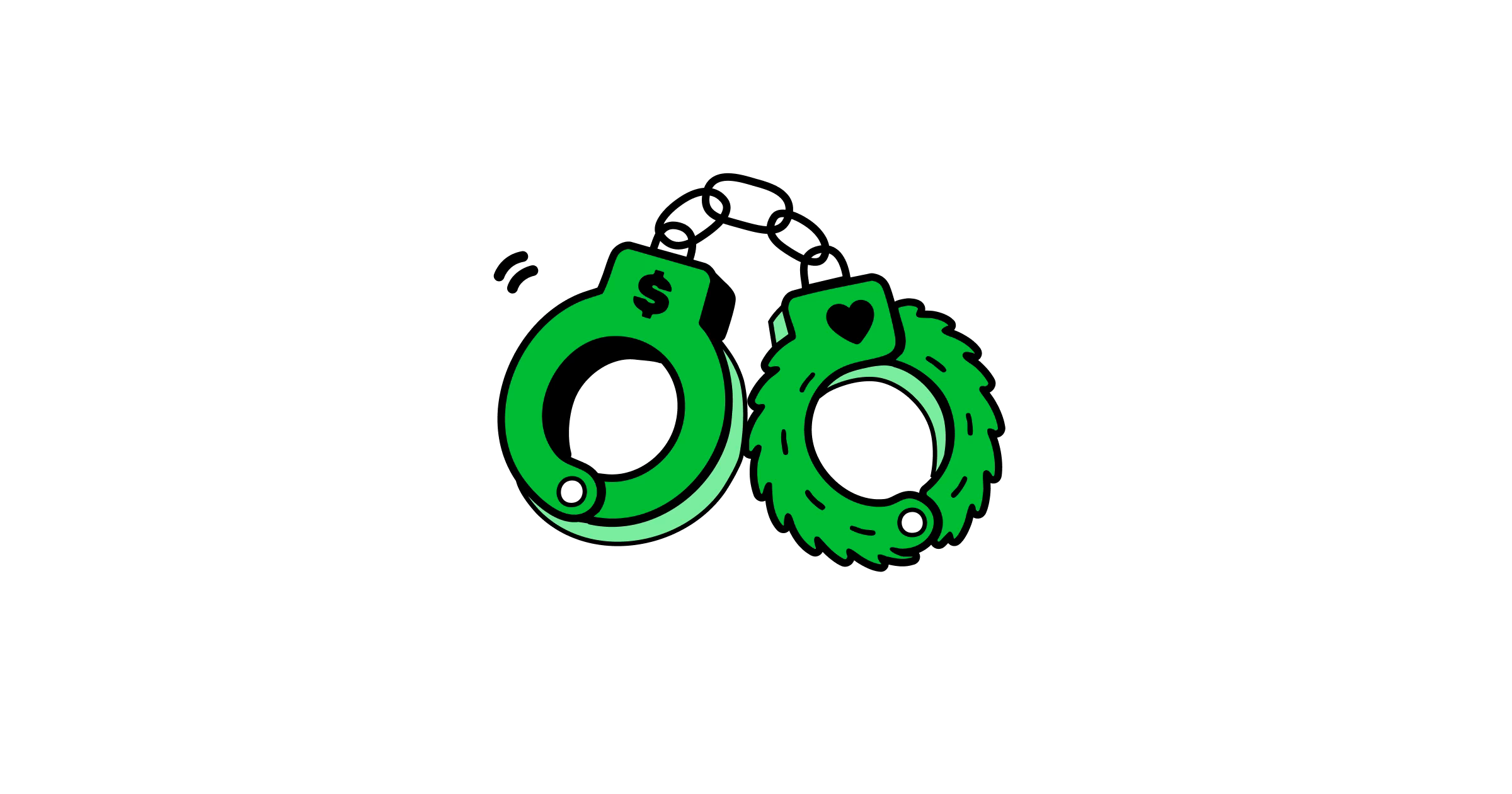
But for now, let’s call it what it is: golden handcuffs.
That subtle tension, knowing you can leave anytime, but also knowing you’d leave behind something substantial.
It’s freedom wrapped in temptation.
It haunted me at times.
I stayed. I tanked it through the very end.
And in retrospect, I’m glad I did.
Because that post-exit chapter was an accelerator.
The stakes were higher.
The expectations sharper.
I became a better designer, teammate, mentor.
But here’s the thing:
It takes a rare planetary alignment to pull off an exit.
And an even rarer one to make the years after worth it too.
There’s one planet people don’t talk about enough: Luck.
We were lucky.
This wasn’t a forced acquihire.
No last-minute pivot.
No awkward “thrilled to join X” announcement hiding quiet disappointment.
Or worse.
It was real.
And rare.
And I’ll never take that for granted.
Most exits don’t look like ours.
They’re quieter. Softer landings. Especially by the time I’m writing this.
More about lessons learned than life-changing events.
Founders save face, teams stay employed, VCs drool over their liquid prefs, and the wheels keep turning.
So was it worth it?
Yes. And no.
It changed my life, financially, professionally, emotionally.
The money helped, sure. But the real value was the people, the product, the process.
It paid much more dividends than actual cash. Allowing me to earn even more money in the process, for years after.
While I earned some decent cash during these years, it came with hidden costs too.
Costs I can’t wait to talk about in The Playbook.
An exit is just another chapter. Sometimes it’s an end. Sometimes it’s a beginning.
We’ve spent years obsessing over the success stories. IPOs. Acquisitions. Happy endings.
But along the way, we stopped talking about the other side of the coin.
The sad exits. The disillusioned founders. The teams that never saw a cent.
The most infamous is probably Markus Persson, the creator of Minecraft.
He sold his company to Microsoft for $2.5 billion, and spiraled into depression.
At one point, he tweeted:
Hanging out in Ibiza with famous friends and partying with people doing amazing things, and I’ve never felt more isolated.
Markus Persson, in 2015
Money doesn’t protect you from meaninglessness.
Because exits are rarely about the money alone.
They’re about identity. Purpose. Control.
And once you sell, you often lose at least one of those. Sometimes all three.
A startup exit isn’t a finish line.
It’s a plot twist.
That depends on more than the press release or the actual payout.
It depends on why you built in the first place.
What you learnt in the adventure.
And who you became along the way.
Julien.